

How to Escape the 9–5
Most people don’t wake up suddenly deciding they want to leave their 9–5. It usually starts as a quiet feeling—something isn’t quite right. The routine feels repetitive, the work starts to feel disconnected from personal goals, and the idea of more freedom, flexibility, and control becomes harder to ignore.
At the same time, the 9–5 structure provides comfort. A stable salary, predictable schedule, and familiar environment make it easy to stay where things feel safe, even when they’re not fully satisfying. This creates a conflict many people experience: the desire for more freedom versus the fear of losing stability.
Escaping the 9–5 is not a single decision or overnight change. It’s a gradual process that involves shifting how you think about work, income, and lifestyle, while also taking practical steps toward something different. Most people who successfully transition don’t jump immediately—they build their way out.
That’s why this guide combines both mindset and action. Because leaving traditional work isn’t just about finding a new job or opportunity—it’s about changing how you see what’s possible for your life, and then taking consistent steps to move in that direction.
Why the 9–5 Feels Hard to Leave

Leaving a traditional job is difficult not because people lack ambition, but because several strong barriers make the current system feel safer than change.
Financial Dependence
A stable salary creates security, and that security makes it hard to walk away—even when you’re unhappy.
Fear of Uncertainty
The unknown feels risky. No fixed income, no clear structure, and no guaranteed outcome can stop people from taking action.
Lack of Clarity
Many people want to escape the 9–5 but don’t know what comes next, which leads to hesitation and overthinking.
Social Pressure
Expectations from family and society often reinforce traditional careers, making alternative paths feel uncertain.
Comfort of Routine
Even unfulfilling routines feel safe because they are familiar and predictable, which makes change harder.
Escape Starts in the Mind, Not Your Job
Leaving the 9–5 begins long before you change your career—it starts with how you think about work, freedom, and possibility. Most people stay stuck not because they can’t leave, but because they still see themselves only through the lens of a traditional job.
Identity Shift: Employee → Independent Thinker
To move forward, you need to start seeing yourself as someone capable of creating options, not just following a fixed path.
Breaking Limiting Beliefs
Thoughts like “I’m not ready” or “I don’t have the skills” often hold people back more than reality does.
Accepting Uncertainty
Freedom always comes with unknowns. Learning to act without having everything figured out is part of the process.
Building New Beliefs
Start believing that remote work, freelancing, and location independence are realistic options—not distant dreams.
Define Your Version of Freedom

Before you escape the 9–5, you need clarity on what you’re actually moving toward. Freedom looks different for everyone, and without defining it, you risk chasing the wrong path.
Remote Work vs Freelancing vs Entrepreneurship
Each path offers different levels of flexibility, income potential, and control. Understanding the difference helps you choose what fits your lifestyle.
Lifestyle Goals
Think about what you want day-to-day—travel, flexible hours, better income, or more time for yourself. Your lifestyle matters as much as your career.
Your Personal Definition of Freedom
Freedom isn’t one-size-fits-all. It could mean working from anywhere, earning more, or simply having control over your time.
Don’t Copy Others’ Paths
Avoid building someone else’s version of success. Focus on what actually aligns with your own goals and priorities.
Create Your First Alternative Income Stream
To escape the 9–5, you don’t need to quit immediately—you need to start building income options outside your job. Even a small side income can reduce pressure and open up new possibilities.
Freelancing Skills
Start by identifying skills you already have or can quickly learn, such as writing, design, marketing, or basic tech work. These can be turned into freelance services online.
Remote Job Opportunities
Many companies now hire remotely across different roles like customer support, marketing, virtual assistance, and tech. Exploring these can help you transition without fully stepping away from stability.
Start Small Side Income Streams
You don’t need a big business idea to begin. Small projects, gigs, or part-time work can help you test earning outside your job while reducing risk.
Skill-Building for the Digital Economy
Focus on in-demand digital skills that support remote work and online income. The more valuable your skills become, the more freedom options you create for yourself.
Transition Without Panic
Build savings that can support you for a few months so you’re not dependent on immediate income changes.
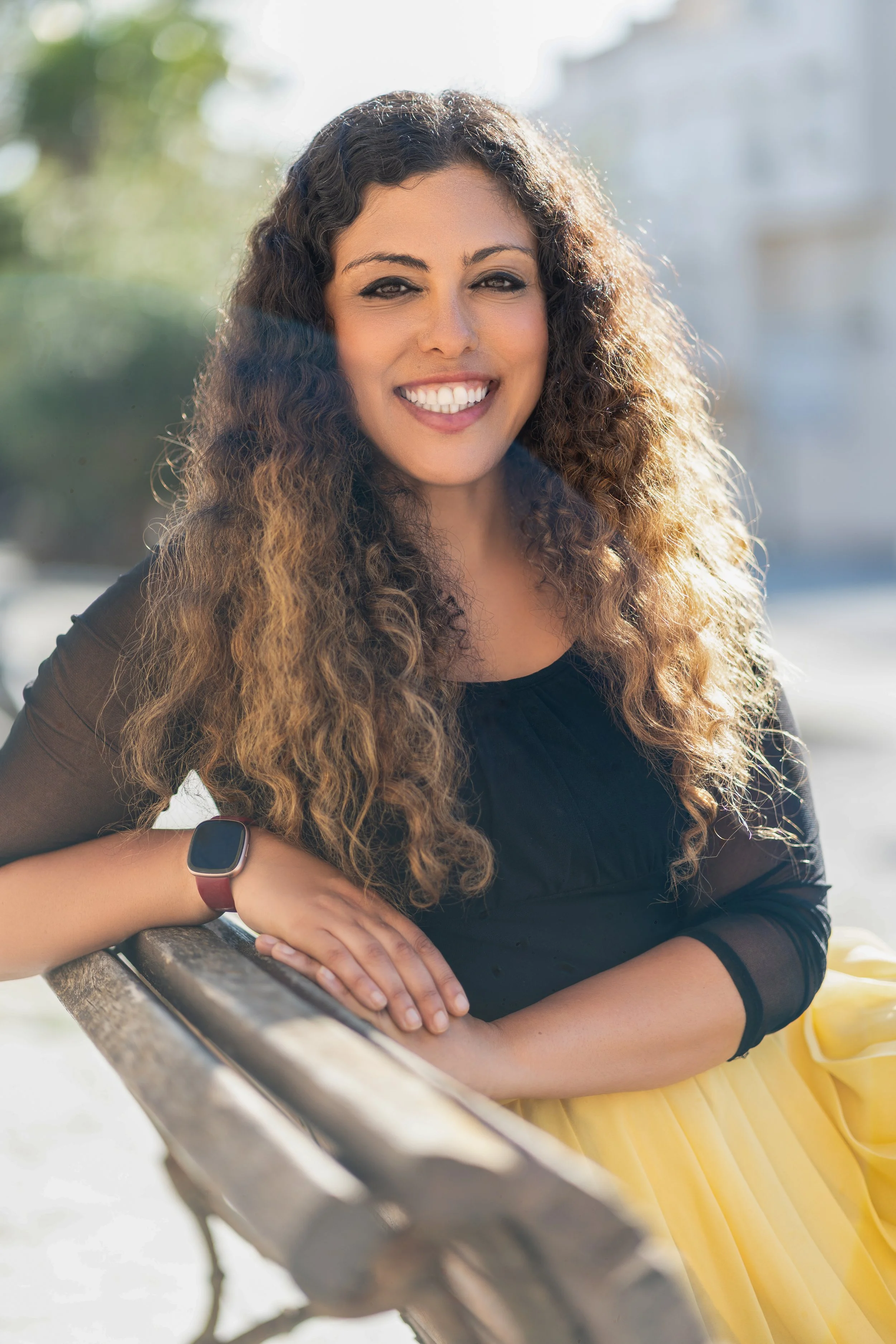
Leaving the 9–5 doesn’t have to be rushed or risky. A gradual approach gives you more control and reduces pressure.
Save Emergency Funds
Start Part-Time Income Building
Begin earning outside your job through small freelance work, side projects, or remote gigs.
Test Remote Opportunities
Explore part-time or entry-level remote roles to understand how location-independent work fits your lifestyle.
Plan a Gradual Exit
Instead of quitting suddenly, create a step-by-step transition plan that lets you move out of your job safely and confidently.
Skills That Help You Work From Anywhere
To escape the 9–5, you need practical skills that support remote and independent work. These make it easier to earn online and work from any location.
Communication & Self-Management
Clear communication and the ability to manage your own tasks are essential when working without supervision.
Digital Tools
Learn tools like Slack, Notion, and Zoom to collaborate, organize work, and stay productive remotely.
Time Management & Discipline
Remote work requires structure. Good time management helps you stay consistent without a fixed office routine.
Freelancing Platforms & Job Boards
Platforms like Upwork, Fiverr, and remote job boards help you find clients and opportunities to start earning online.
Frequently Asked Questions
-
There’s no fixed timeline. For some, it takes months of preparation, while for others it may take years. It depends on your skills, consistency, and how quickly you build income outside your job.
-
Yes, having savings is highly recommended. A financial buffer reduces stress and gives you time to build stable income without pressure.
-
Yes, but you’ll need to start by learning in-demand skills. Most digital nomads begin with no experience and build their way up through practice and consistency.
-
Common remote roles include digital marketing, writing, design, customer support, virtual assistance, development, and project management.
-
Yes, freelancing is one of the fastest ways to start earning outside a 9–5. It helps you build skills, gain experience, and create income flexibility.
-
The safest approach is gradual—build savings, start a side income, and transition slowly instead of quitting without a plan.
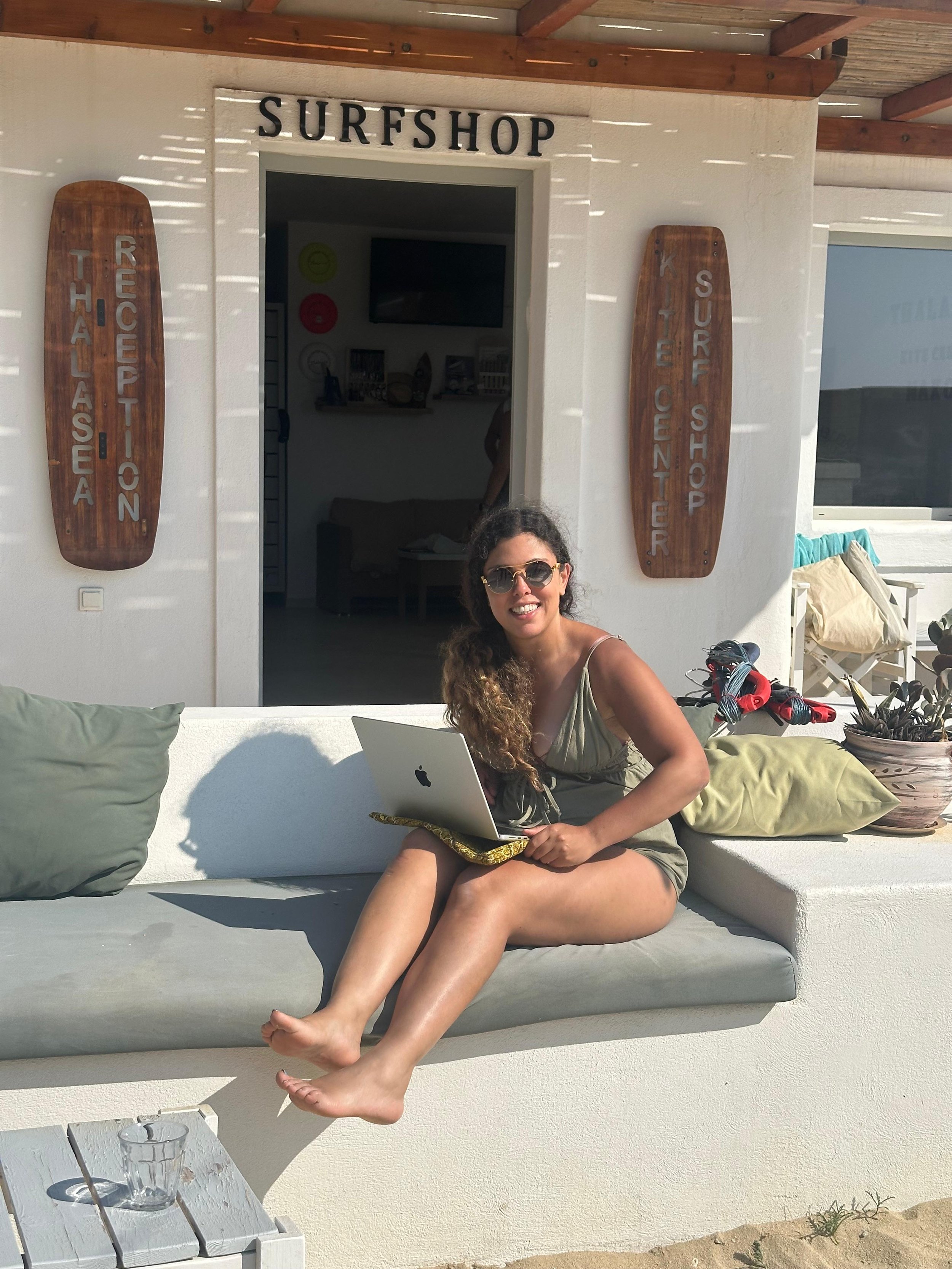
You don’t need permission to change your life, and you don’t need everything perfectly mapped out before you begin. Most people stay stuck not because they’re incapable of building a different lifestyle, but because they wait for the “right time” or the “right plan” that never really arrives.
The truth is, freedom is built through action, not certainty. It starts the moment you decide to think differently, take small steps, and explore what life could look like beyond the 9–5 structure.
These free resources are designed to help you do exactly that. They’re simple, practical starting points to help you shift your mindset, build confidence, and begin moving toward a life with more flexibility, independence, and control over your time.
You don’t have to change everything today. You just have to start.